
How Much Fiber Do You Need on Ozempic, Wegovy, or Zepbound?
GLP-1 medications like Ozempic, Wegovy, or Zepbound have been shown to be effective in weight loss management and treatment of type 2 diabetes. But how much fiber per day should you take on these drugs?
The general guideline for recommended daily fiber intake is 25 grams for women and 38 grams for men aged 19 to 50.
However, GLP-1 medications work by slowing digestion, which makes fiber consumption essential for managing constipation, a common side effect of these medications.
Fiber supports regular digestion and promotes better gut health. It also helps regulate cholesterol and blood sugar levels.
This article highlights the amount of fiber you need on GLP-1s and how to incorporate it into your diet.
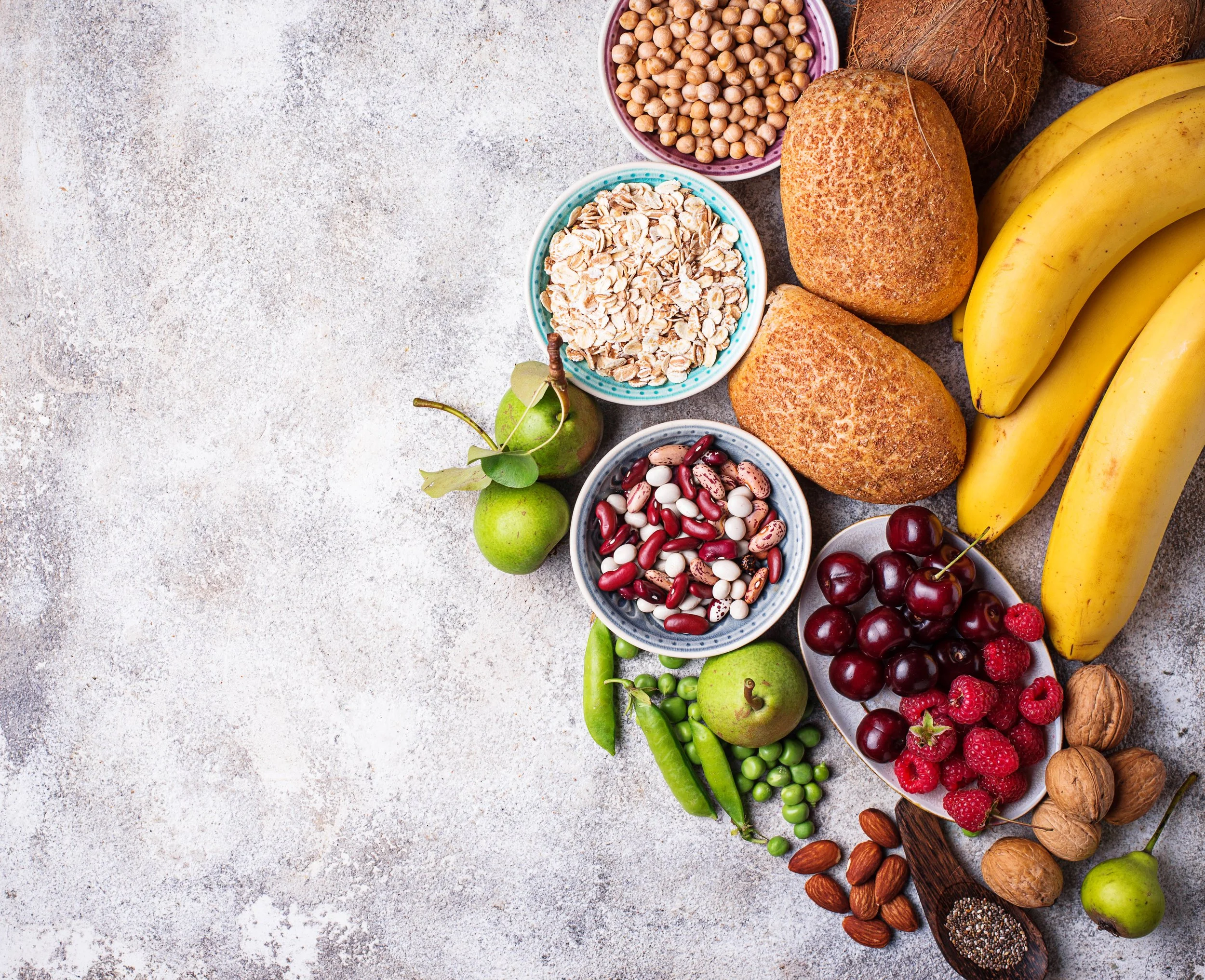
Why Is Fiber Important When Taking GLP-1 Medications?
GLP-1 medications work by mimicking the body's natural glucagon-like peptide-1 (GLP-1) hormone, which helps regulate blood sugar, slows stomach emptying, and promotes feelings of fullness.
While these effects can support weight loss, they can also lead to digestive side effects like constipation, bloating, nausea, and diarrhea. Research has shown that constipation may occur more at the higher doses used for weight loss than at doses prescribed for diabetes treatment.
Here’s how fiber may help:
1. Fiber may help reduce digestive side effects.
Dietary fiber adds bulk to stool and helps food move through the digestive tract easily, which may help reduce the risk of constipation. Soluble fiber absorbs water to form a gel-like substance, while insoluble fiber helps promote regular bowel movements.
2. Fiber promotes satiety and healthy eating habits.
GLP-1 medications naturally reduce appetite, but fiber can complement this effect. Because fiber slows digestion and increases feelings of fullness, it may help you stay satisfied between meals and make it easier to maintain healthy eating patterns.
3. Fiber improves blood sugar control
If you’re taking GLP-1 medications to manage type 2 diabetes or insulin resistance, fiber may help slow the absorption of carbohydrates in the digestive tract, reducing rapid spikes in blood sugar after meals. This can promote more stable glucose levels and complement the blood sugar-lowering effects of GLP-1 medications.
4. Fiber promotes a healthy gut microbiome
Because GLP-1 medications often lead to reduced food intake, some people may consume fewer plant-based foods that nourish beneficial gut bacteria. Fiber acts as a fuel source for many of these microbes, helping maintain a diverse and healthy gut microbiome.
A healthy gut microbiome supports digestive health and immune function and may play a role in regulating inflammation.
Recommended Daily Fiber Intake on Ozempic, Wegovy, or Zepbound
There is no specific fiber intake requirement for those using Ozempic, Wegovy, and Zepbound. However, the US Department of Agriculture’s Dietary Guidelines for Americans recommends a daily fiber intake of 25 grams for women and 38 grams for men aged 19 to 50.
People over 50 are recommended to consume 21 grams for women and 30 grams for men. This is because fiber is calculated as a percentage of total calories, and as you age, your calorie intake decreases as your metabolic activity slows, reducing total food intake.
Another recommended approach, based on clinical experience, is to consume 14 grams of fiber per 1000 calories or to gradually increase your current calorie intake by 5 grams per week. A gradual increase allows your digestive system to adapt and minimize side effects associated with higher fiber intake.
Although the recommendations are intended for the general public, most US citizens still don't meet the fiber requirement. In fact, according to the US Department of Agriculture, about 90% of women and 97% of men are below the target.
What Are the Best High-Fiber Foods to Eat on Ozempic, Wegovy, or Zepbound?
When taking GLP-1 medications, opt for gentle fiber sources to keep your digestive system healthy. This simple choice helps you avoid worsening common GLP-1 side effects such as bloating, nausea, and uncomfortable fullness. Some of the high-fiber foods include:
Fruits
High-fiber fruits help manage blood sugar, lower cholesterol, and improve your gut health. For the best result, prioritize eating.
1. Berries
Berries are among the best sources of dietary fiber, packed with both soluble and insoluble varieties.
The following are the best berries, ranked by fiber content per cup, according to the US Department of Agriculture.
Raspberries - 6.5 grams in 100 grams
Blackberries - 5.3 grams in 100 grams
Blueberries - 2.4 grams in 100 grams
Pair them with a protein source to further stabilize appetite and support gut health.
2. Pears
Pears are a nutritious and delicious fruit with both insoluble and soluble fiber that add bulk to the stool. They contain 5.5 grams of fiber per 178 g, with most of it found in their skin.
Besides providing fiber, pears also provide important micronutrients, including vitamin C, potassium, and boron, which support overall health. To reap more of its benefits, consume even its peel, as it contains most of its nutrients.
3. Apples
Apples are tasty fruits rich in vitamin C, fiber, and other crucial antioxidants. They also have low-calorie content, making them fulfilling and suitable for people taking GLP-1 for weight loss.
A single raw apple of 182 grams contains 4.4 grams of fiber, accounting for about 16% of the 28% daily fiber requirement in women.
When taking the apple, also consume the peel because, just like pears, apple peels contain insoluble fiber called pectin that adds bulk to stool. You can take it in either raw or juice form.
4. Avocados
Avocados contain a wide range of nutrients, including vitamins, fiber, monounsaturated fatty acids, and minerals. Adding them to your healthy diet can provide many health benefits, including reduced risk of heart disease and obesity, reduced constipation, and improved gut health.
A half-size avocado of 100 grams contains 6.7 grams of fiber, with insoluble fiber accounting for 70% of it.
The monounsaturated fatty acids also provide satiety effects needed by people taking GLP-1 medications for weight loss. Additionally, the healthy fat slowly breaks down carbohydrates, slowing the emptying of the stomach, helping to keep blood sugar levels stable.
Vegetables
Vegetables are excellent sources of fiber and other nutrients important for your health. Vegetables that contain high fiber content include:
1. Broccoli
Broccoli provides fiber while being fairly low in calories, making it a nutrient-dense food that supports weight loss and type 2 diabetes management.
A single cup of broccoli (156 grams) contains approximately 5 grams of fiber, while 100 grams of raw broccoli has about 2.6 grams of fiber.
While broccoli is highly nutritious, it is also a cruciferous vegetable that contains fermentable carbohydrates. It may worsen the side effects of GLP-1 medications, such as bloating and abdominal discomfort, especially during the first few weeks of treatment if taken in large servings.
If you're experiencing digestive side effects, opt for cooked broccoli that is better tolerated than raw broccoli. Cooking softens the fiber and makes it easier to digest.
2. Brussels sprouts
Brussels sprouts are a cruciferous vegetable that provides important nutrients, including vitamin C, vitamin K, folate, and antioxidants. They have low calorie content, offering 3.8 grams of fiber per 100 grams of cooked cup.
The fiber includes a combination of soluble and insoluble fiber, with insoluble fiber accounting for 75% and soluble fiber 25%.
Like broccoli, brussels sprouts contain fermentable carbohydrates that may increase bloating. Consume them cooked, steamed, or roasted rather than raw, as they can make the fiber easier to digest.
3. Carrots
Carrots are sugary root vegetables full of vitamins, minerals, antioxidants, and fiber that support your overall health. These low-calorie vegetables provide 3.6 grams of fiber per 128-gram cup of raw, chopped carrots, taking 12% of the daily recommended fiber of 25% to 28%.
If you are experiencing constipation, munching on a raw carrot might help. Its low-calorie content, together with fiber content, may also make you feel fuller for longer so that you don't consume more calories.
4. Sweet potatoes
Sweet potatoes are a fiber-rich, nutrient-dense carbohydrate that can be an excellent addition to the diet of people taking Ozempic, Wegovy, and Zepbound for weight loss. They contain a mixture of healthy fiber, both soluble and insoluble.
A medium-sized cooked sweet potato measuring 5 inches (114 grams), including the skin, contains 3.8 grams of fiber.
Sweet potatoes also contain nutrients such as vitamin A, vitamin C, potassium, and manganese.
Legumes
Legumes provide a powerful combination of fibers, plant-based vitamins, and minerals essential for weight management and overall health. These legumes include:
1. Lentils
Lentils are a nutritional powerhouse for various nutrients, especially fiber, minerals, and vitamins. A cup of 198 grams of cooked lentils contains 15.6 grams of fiber, providing more than half of the daily fiber requirement.
2. Chickpeas
Chickpeas, also known as garbanzo beans, are a nutty-flavored and versatile vegetable rich in fiber that can support digestive health and weight loss. A cup of cooked chickpeas, 164 grams, contains 12.5 grams of fiber.
3. Black beans
Black beans are rich in plant-based proteins, dietary fiber, and antioxidants. A cup of boiled unsalted black beans, 172 grams, contains 15 grams of fiber and 227 calories, enough to support your weight loss journey while taking Ozempic, Wegovy, and Zepbound.
Whole grains
Whole grains are a nutrient-dense source of essential vitamins, minerals, and fiber that support overall health. Excellent whole grain options include:
1. Oats
Oats are rich sources of starch and insoluble fiber, especially a type called beta-glucan, which is responsible for many of their health benefits. According to the US Department of Agriculture, a cup of raw oats, 81 grams, contains 8.1 grams of fiber, 10.7 grams of dietary protein, and 307 calories.
2. Quinoa
Quinoa is a whole grain food that provides a combination of fiber, protein, vitamins, and minerals. 184 grams of quinoa contains 5 grams of fiber, 8 grams of protein, and 222 calories.
3. Brown rice
Brown rice is a whole grain that retains its nutrient-rich bran and germ layers, providing significantly more fiber than white rice. A cooked cup of brown rice (195 grams) contains about 3.5 grams of fiber.
Brown rice is also a good source of magnesium and B vitamins, which support metabolic health and energy levels during weight loss.
4. Whole wheat products
Whole wheat products, such as whole-grain bread and pasta, are excellent sources of dietary fiber and essential nutrients.
A single slice of whole wheat bread (32 g) can provide about 2 grams to 4 grams of fiber, or 5 to 8 grams per 100 grams, depending on the brand. These products help maintain satiety and stabilize blood sugar levels, complementing the effects of GLP-1 medications.
Nuts and seeds
1. Chia seeds
Chia seeds are tiny, nutritious seeds full of protein, fiber, and omega-3 fatty acids. An ounce of chia seeds (28 grams) contains 9.8 grams of fiber, 4.7 grams of protein, 8.7 grams of fat, and 138 calories.
Most of its fiber is soluble and can absorb large amounts of liquid, forming a viscous gel. This gel, combined with plant-based protein, can help promote digestion and a feeling of fullness.
2. Flaxseeds
Flaxseeds are nutrient-dense seeds rich in fiber, omega-3 fatty acids, and lignans. With a mild, nutty flavor, you can easily add them to your yogurt, oatmeal, or smoothies for a gentle fiber boost.
A 10-gram tablespoon provides 55 calories, 2.8 grams of fiber, and 1.9 grams of protein.
3. Almonds
Almonds are a natural, portable, nutrient-packed snack offering a powerful combination of fiber, healthy fats, and protein. 1 ounce (28 g or about 23 almonds) provides approximately 3.5 grams of fiber, 6 grams of protein, and 16 grams of healthy fat.
Sample One-Day High-Fiber Meal Plan While on GLP-1
This sample plan provides approximately 33 grams of fiber, spread throughout the day to support a GLP-1 diet.
Breakfast: Oatmeal with berries and flaxseeds
1/2 cup cooked oats (approx. 4g fiber)
1/2 cup raspberries (approx. 4g fiber)
1 tablespoon ground flaxseeds (approx. 2.8g fiber)
Total: 10.8g fiber
Lunch: Quinoa and black bean salad
1/2 cup cooked quinoa (approx. 2.5g fiber)
1/2 cup cooked black beans (approx. 7.5g fiber)
1/2 vegetables (diced carrots, approx. 1.5 g fiber)
Total: 11.5g fiber
Dinner: Baked sweet potato with broccoli
1 medium baked sweet potato with skin (approx. 3.8 g fiber)
1/2 cup steamed broccoli (approx. 2.5 g fiber)
Total: 6.3 g fiber
Snack: Apple and almonds
1 small apple with peel (approx. 3 g fiber)
10-15 almonds (approx. 1.5 g fiber)
Total: 4.5 g fiber
Estimated daily fiber total: 33.1 grams
Can Fiber Help Prevent Constipation on GLP-1 Medications?
Yes, fiber is an effective nutrient for preventing and managing constipation while taking GLP-1 medications. They do so by adding bulk and softness to stool, making it easier to pass.
Certain types of fiber also absorb water, helping stools remain hydrated and easier to eliminate. However, for the best result, pair the fiber with water.
Should You Take a Fiber Supplement?
While it’s important to prioritize getting your fiber from plant-based foods, if you are having difficulty meeting your fiber requirements, you may consider taking fiber supplements such as psyllium husk and methylcellulose. They are readily available in different forms, including capsules, tablets, and powder.
But consult your healthcare provider before taking any, since the U.S. Food and Drug Administration does not regulate fiber supplements.
How to Increase Fiber Without Making Side Effects Worse
Adding too much fiber too quickly can worsen bloating, gas, and digestive discomfort. To avoid such from happening, do the following:
1. Increase fiber gradually
GLP-1 medications can cause bloating, digestive discomfort, and constipation. Adding too much fiber too quickly can only worsen these side effects.
To prevent that from happening, slowly increase your intake over several weeks to give your digestive system time to adjust.
2. Hydrate
GLP-1 slows gastric emptying, and fiber intake without proper hydration can increase constipation as it absorbs the little water remaining for digestion.
Pair fiber-rich food with adequate fluid intake. Staying hydrated helps food and waste move more smoothly through the digestive tract, supporting overall digestive function.
3. Take fiber-rich food consistently.
Eating a large amount of fiber on some days and very little on others can make digestive symptoms more unpredictable and may lead to bloating, gas, abdominal discomfort, and changes in bowel habits.
Focus on consuming moderate amounts of fiber consistently throughout the week. This helps your digestive system establish a regular rhythm and allows beneficial gut bacteria to thrive.
4. Spread fiber intake throughout the day.
Distribute your fiber across multiple meals and snacks like breakfast, lunch, and dinner rather than consuming it as one meal. It improves tolerance and reduces digestive discomfort.
5. Focus on easily digestible foods
When your digestive system feels sensitive due to GLP-1 medications, choose fiber sources that are gentle on your stomach. Cooked vegetables, such as carrots, zucchini, or spinach, are easier to digest than raw varieties.
Fruits like bananas, applesauce, or cooked pears can provide fiber without the high roughage that might cause discomfort. Incorporating soft, fiber-rich grains like oatmeal or well-cooked rice can also help you meet your fiber goals while maintaining digestive comfort.
FAQs on Fiber and GLP-1s
Below are the most frequently asked questions about fiber intake for people taking Ozempic, Wegovy, and Zepbound.
Do I need more fiber on Ozempic?
Yes, you may need more fiber while taking Ozempic. This medication slows digestion and gastric emptying, which can cause constipation.
While the general recommendation is 25 grams daily for women and 38 grams for men, you may need to increase your intake to support regular bowel movements, improve gut health, stabilize blood sugar, and enhance satiety.
Why am I constipated on Zepbound?
You are constipated because constipation is a common side effect of Zepbound. It slows the movement of food through the small intestines and reduces appetite. As a result of a lack of appetite, you eat fewer calories, which directly lowers fiber and fluid intake. This combination of slow digestion and reduced fiber intake can lead to fewer bowel movements and constipation.
What foods should I eat while taking GLP-1 medications?
Consume nutrient-dense foods that support your digestion, preserve lean muscle mass, and promote satiety. Best choices include oats, quinoa, brown rice, broccoli and carrots, apples and avocados, berries, beans and lentils, chia seeds, flaxseeds, and almonds.
If you experience nausea or digestive discomfort, softer foods such as oatmeal, applesauce, bananas, soups, and cooked vegetables may be easier to tolerate.
How much fiber should I eat for weight loss?
The US Dietary Guidelines for Americans recommend a daily intake of about 25 grams for women and 38 grams for men. Higher-fiber diets can support weight loss by increasing fullness, helping control calorie intake, and supporting healthy blood sugar levels. However, try to get most of your fiber from whole foods rather than relying on supplements.
Can you take Metamucil while on Ozempic or Wegovy?
Yes, you can take Metamucil while using Ozempic or Wegovy. Metamucil contains psyllium husk, a soluble fiber that can help improve regularity and relieve constipation. However, you should introduce it gradually and take it with plenty of water to avoid worsening digestive symptoms. If you have persistent gastrointestinal issues or take other medications, consult your doctor before taking these supplements.
Struggling With Constipation or Digestive Changes on GLP-1 Medications?
Digestive side effects such as constipation, bloating, nausea, and changes in bowel habits are common when starting or increasing the dose of GLP-1 medications like Ozempic, Wegovy, and Zepbound.
Fortunately, you can manage these symptoms by prioritizing adequate fiber intake. But how much fiber can help you feel more comfortable while taking GLP-1 medications?
The answer varies from person to person, but for most adults, aiming for the recommended daily intake of fiber while staying well-hydrated can support healthy digestion, promote regular bowel movements, improve gut health, and enhance feelings of fullness.
At NP2GO, we understand that a successful weight loss journey can be challenging, as it involves more than just taking medication. Our comprehensive GLP-1 weight loss programs provide personalized guidance on nutrition, hydration, symptom management, and lifestyle habits to help you maximize your results while minimizing side effects.
Whether you're just starting your journey with Ozempic, Zepbound, or Wegovy, or looking for additional support, our team is here to help you feel your best every step of the way.
Contact NP2GO today by booking an online appointment to learn how our expert providers can help you achieve sustainable, long-term success with GLP-1 treatment.